Giving Themselves the Greenlight: Inside the AI Film Festival
Hollywood is changing, but not because studios decided it should, because filmmakers are giving themselves the greenlight. Despite the controversy surrounding AI, creators around the world are feeling liberated, discovering that what was once impossible is now sitting in their laptops, waiting to be harnessed.
Sunday, December 14th at Los Feliz showcased this new breed of storyteller. Filmmakers from across the globe gathered to debut their projects, many making their world premieres. Bert Holland championed these innovators, directors, visual artists, and one person studios who've turned AI from a debate into a tool for executing their complete creative vision. Holland may get emotional about the transformative power of these films, or when he has to cut one from the program. But what his festival is providing for this new wave of creators is desperately needed: a space where their work isn't questioned for how it was made, but celebrated for what it achieves.
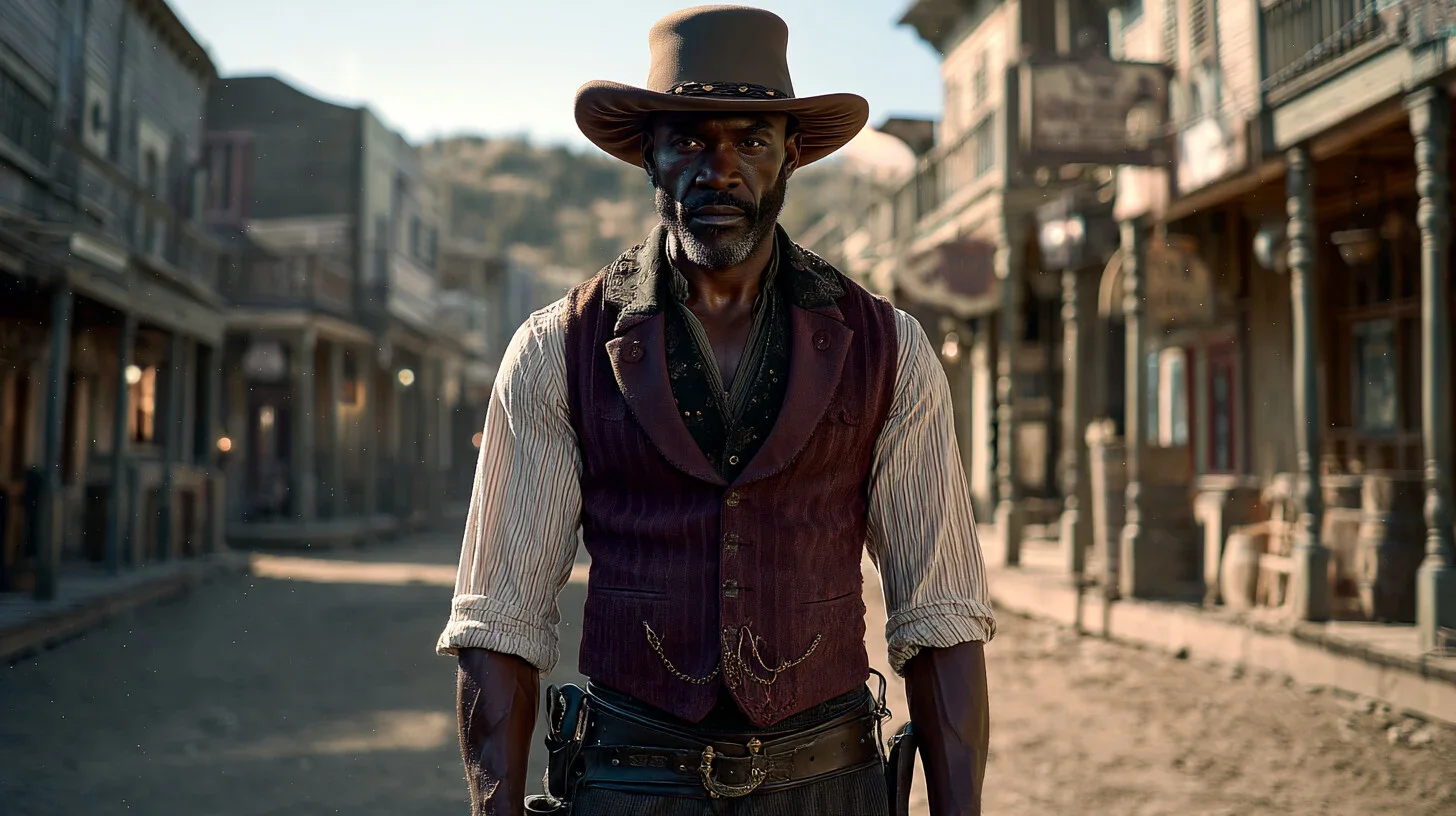
Rufus: The Compton Cowboy By Filmmaker Larry Ulrich
Watch Trailer Here
To understand Rufus and the Compton Cowboys, you need to understand what drives Larry Ulrich. This isn't just a film—it's an act of reclamation. As Ulrich expressed to me, "Christ gets all of the Glory!"
"Cowboy" started as a slur. Ulrich knows this. He's spent his career twisting derogatory narratives into symbols of power, and this project continues that mission. His Black cowboys aren't sidekicks or background characters; they're leaders with confidence and autonomy. In a genre that historically erased Black agency, Ulrich is using AI to write his community back into the story as the protagonists they always were.
The film's genre-blending approach isn't accidental; it's intentional cultural commentary. Ulrich brings mechanical, robot-like cowboys into a period piece, creating what he calls an "AI world" that challenges Hollywood's reluctance to portray Black communities as technological innovators. "Outside of Black Panther, where do you see us as tech leaders?" he asks. His answer: create it yourself.
But technology isn't the only foundation here. As a faith-based creator with Christ as his "spiritual foundation," Ulrich grounds the narrative in the Ethiopian Bible, believed to be the second-oldest biblical text. This inclusion isn't decorative; it's deliberate, meant to "give meaningful content to brothers and sisters" while bridging ancient wisdom with modern storytelling.
Ulrich's process is as unconventional as his vision. Using Runway as his primary visual production tool, he didn't hire actors; he became them. Every single scene was acted out on his cell phone. Male characters, female characters, singing scenes (though not using his own voice)—Ulrich performed them all, capturing the emotional depth he needed before feeding it into AI.
This hands-on approach stems from necessity and choice. AI gave him the power to manifest a complete vision without compromising. No producers demanding changes. No budget constraints killing ideas. Just one creator with sci-fi sensibilities and a mission to showcase that Black communities "have the technology and intellect" for advancement, technology and history that, as Ulrich notes, was "stolen" from the narrative for too long.
Rufus isn't Ulrich's first rodeo with AI storytelling. He's been building an audience with Safari King, his YouTube series that blends animation with compelling narratives, "one of my most popular ones," he notes. But he's not stopping here.
Ulrich emphasized to me that festivals like these are essential; they provide the visibility filmmakers need to get their work seen.
Currently in development is a Rufus: The Compton Cowboy future series that will explore "what happens after" the film's conclusion, where the population "quadruples." Ulrich plans to deepen the themes of "mindset" and "liberation" he established in Rufus, expanding his AI-powered cinematic universe one project at a time.
Railbound Directed by Jonathan Perry
Visual Direction & AI Visuals by Alex Naghavi
Watch Movie Here
When Alex Naghavi premiered her AI film Gentle at the AI International Film Festival, she didn't expect what would come next. Filmmaker Jonathan Perry approached her at the afterparty with a proposition: collaborate on a project. Naghavi was intrigued but skeptical until Perry actually followed through.
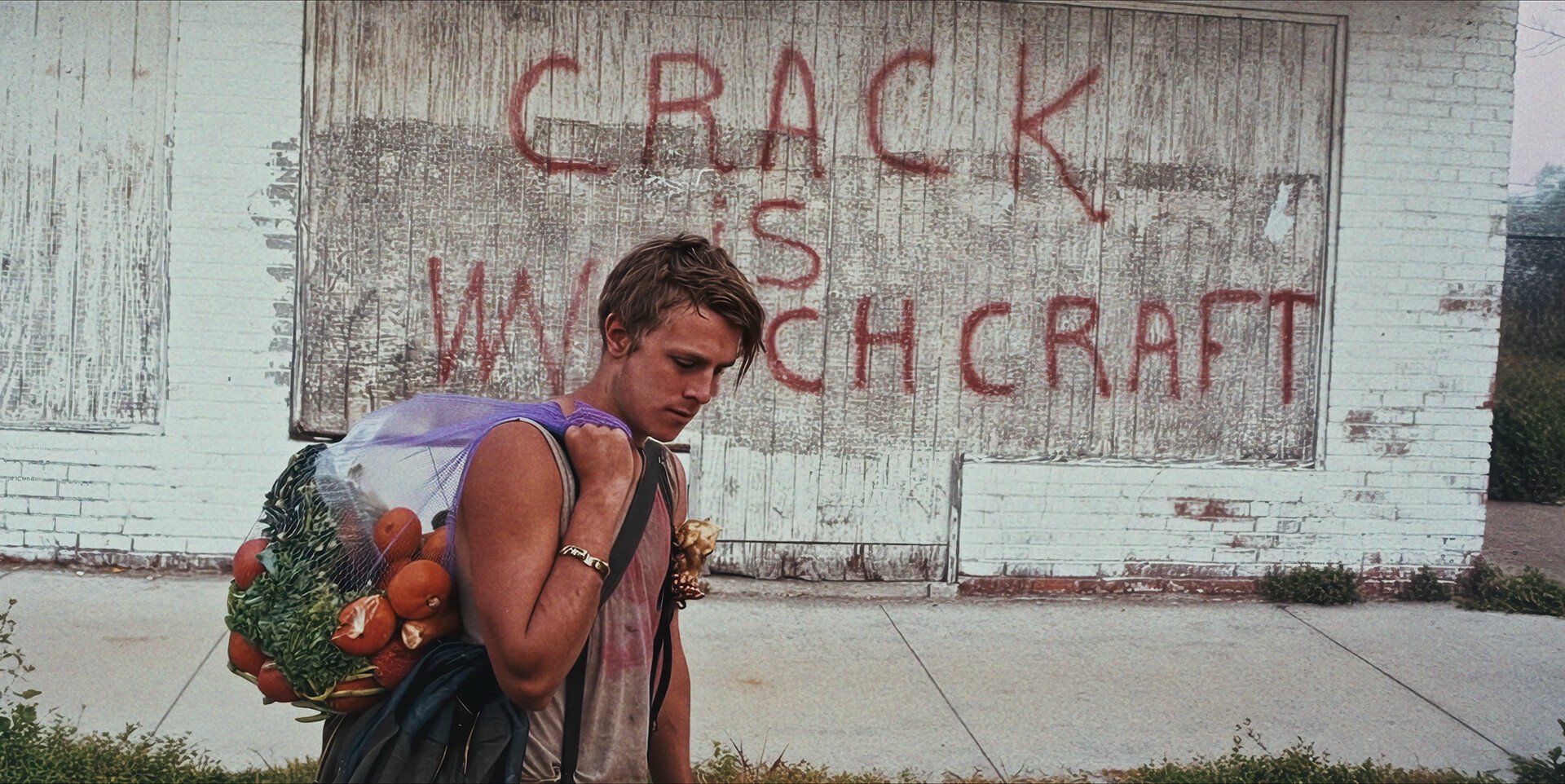
Naghavi expressed to me that what emerged from that festival encounter is Railbound, a narrative film that transforms the legendary photography of Mike Brodie into a living, breathing cinematic experience. Written, directed, and produced by Perry and Naghavi, with Naghavi serving as visual director and AI artist, the film proves that AI isn't just creating new art, but also giving new life to existing masterworks..
Mike Brodie spent decades documenting America's train-hopping culture, capturing the raw energy and freedom of youth living on the rails. His first book, Period of Juvenile Prosperity, became the foundation for Railbound, a film that walks the line between documentary and fiction.
Perry, who is friends with Brodie, brought the photographer's work to Naghavi with a vision. But Perry's talent goes beyond creative execution, it's his ability to identify talent and bring the right collaborators together. Recognizing what Naghavi could bring to the project after seeing Gentle, he knew she was the perfect partner to realize his vision.
Together, Perry and Naghavi met with Brodie to hear his stories firsthand. Finding the narrative structure was challenging at first—how do you craft a cohesive story from photographs spanning decades? The solution became a hybrid approach: create a narrative centered on an older man reflecting on his train-hopping life, using the real names of Brodie's subjects while building fictional storytelling around their images. The result honors the documentary truth of Brodie's photography while exploring the emotional depth of memory and nostalgia across time.
Naghavi's shared with me that her journey to Railbound was anything but traditional. Coming from a background in digital product design and technology, she made the leap into film production in 2023. Her rapid rise has been impressive: she won a 48-hour film competition with Feast (created using Runway), produced micro-films that resonated with audiences, and earned acceptance into both AI-specific and traditional film festivals.
As part of the first Google Sessions cohort program, Naghavi used Google Flow for Railbound's video production, leveraging cutting-edge tools to transform static photographs into dynamic sequences. The film is currently screening at a gallery in Tokyo as part of Brodie's exhibition, where the audio-visual elements give his work contemporary relevance in a gallery setting.
For Perry, AI hasn't just changed what he can create; it's revolutionized how he creates. "It usually takes a year, hundreds of crew, and a medium budget to make a short film professionally," Perry explains. "My film Railbound took us six weeks, around thirteen talented crew, and a quarter of the budget. It has completely reshaped how we go about the entire production pipeline, quicker and cheaper, allowing more creative thought towards the most important aspect: story."
This efficiency doesn't mean compromise. Railbound demonstrates that AI can extend the life and impact of archival photography, transforming it into something entirely new while maintaining respect for the original work.
Naghavi holds a nuanced view of AI in art. She champions its democratizing power, the ability to revitalize existing art and make film production accessible to creators who've been locked out of traditional systems. Railbound itself is proof of concept: a film that might never have existed without AI tools enabling a small, agile team to execute an ambitious vision.
But she also acknowledges the value of resistance. Rejecting AI, she notes, can be a powerful artistic stance. Historically, resistance to new technologies has sparked movements toward physical, handcrafted forms that technology cannot replicate. Both paths, embracing and rejecting AI, can lead to meaningful art.
Both Perry and Naghavi confirmed they'd explore filmmaking through photography again. The success of Railbound, from festival screenings to gallery installations, suggests they've discovered a formula that works: find powerful archival imagery, collaborate with talented partners, and use AI to bridge the gap between still and moving image.
I commend Perry for his innovative idea to merge storytelling with photography and Naghavi for bringing that vision to life. It truly shows the forward-thinking collaborations we can expect as creatives lean into exploring AI in the filmmaking space.
For creators watching from the sidelines, wondering if they should take the leap into AI filmmaking, Railbound offers a clear answer: the tools are ready. The only question is whether you're willing to follow through.
Horses by Filmmaker Drew Dammron

Viewing coming soon
Drew Dammron doesn't do subtlety. The Los Angeles-based filmmaker, originally from Pittsburgh, has built his career on blending horror with slapstick comedy. With Horses, his first film incorporating AI elements, Dammron takes aim at Hollywood itself—and he's not pulling punches.
The film opens with the tragic Hollywood Hills fires from earlier this year, reimagined as an act of arson by Billy Xane, a washed-up actor played by Brian Dunkleman (known for Friends). Billy's descent becomes a metaphor for Hollywood's identity crisis in the age of AI—an industry veteran watching his craft burn while new technology reshapes everything.
I overheard the excitement and laughter from the audience and the gasps as the film took us on a wild ride.
What makes Horses distinctive is Dammron's deliberate hybrid methodology. Actors were shot on location on a traditional film set, while AI handled special effects, music, poster art, and production design. Dammron even used ChatGPT to expedite outlining tasks.
Billy's character arc—from Hollywood fixture to desperate arsonist—explores the anxiety surrounding AI's arrival. His partner, played by Jess Paul, watches in disdain as Billy unravels, unable to reconcile what he's become with who he once was.
When I spoke to Dammron, he shared that he plans to continue with the hybrid approach, but he's keeping an open mind about possibly producing fully in AI in the future. What excites him most is accessibility—the fact that special effects, once requiring massive budgets and specialized crews, are now within reach for independent filmmakers like himself. It's a democratization that aligns perfectly with his experimental spirit.
As I was watching Horses, it was obvious that Drew is a seasoned filmmaker. I'm excited to see what's next for him and how he will continue to evolve with AI. As Hollywood continues burning through its identity crisis, Horses stands as both a warning and a dark comedy about what we're willing to sacrifice and what we might lose anyway.
Behind The Sleigh
Directed By Jodie Heenan
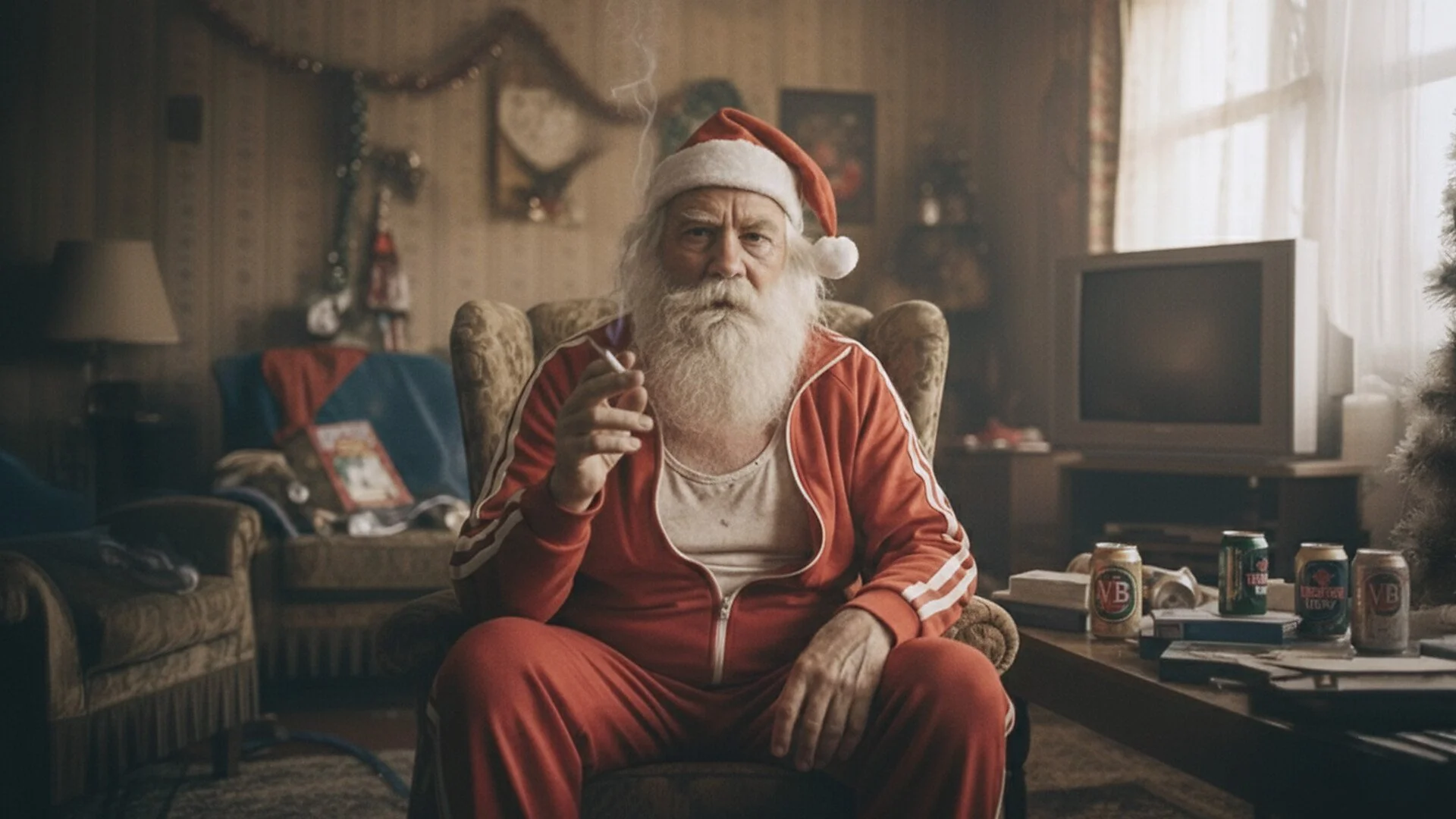
Jodie Heenan brings 20 years of brand storytelling and advertising experience to AI filmmaking. She's not abandoning traditional craft, she's integrating it, proving that powerful AI content requires human direction who understands both worlds.
What sets Behind the Sleigh apart is its distinctly Australian comedic sensibility. No heartwarming messages here, just humor that lovingly roasts Santa as a well-meaning relic who can't keep pace with algorithms that have optimized his entire operation out of relevance.
The mockumentary format follows Santa's crisis, like any struggling small business owner facing disruption. The North Pole is now a legacy operation competing with venture-backed startups and blockchain gift networks.
I have to say, Behind the Sleigh was a crowd pleaser and a nice touch after watching many sci-fi inspired films. The crowd laughed at the very timely comedy.
Heenan's decades of crafting brand narratives translate into directing AI toward intentional emotional beats. Her Santa doesn't rediscover Christmas magic or embrace technology—he simply watches the world change faster than he can process.
For anyone who's explained streaming services to a parent or felt attacked by how quickly technology moves, Behind the Sleigh hits where it hurts. Then it makes you laugh, because what else can you do?
The Last Whale Directed By Anna Di Luce
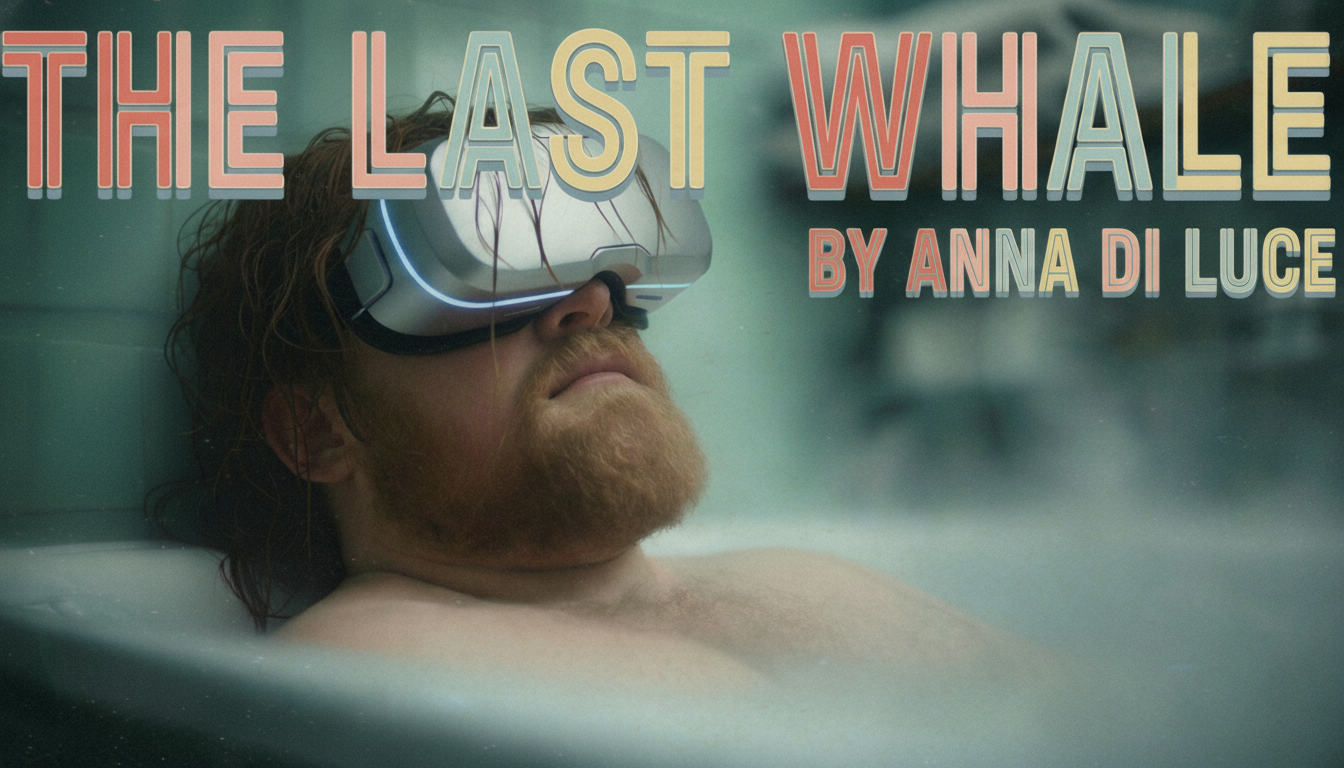
Heartbroken. Lonely. Depressed. Sergeant Ruker is forgotten until a clumsy mistake saves the world and brings him back to life. The Last Whale is an emotional, quirky story about nature's resistance and the power of hope within us, but it's also the story of director Anna di Luce's return to her passion.
Di Luce holds a Master in Cinematography and post-graduate education in Screenwriting from Germany's most renowned film schools in Ludwigsburg and Munich. But as a single mom, she paused filmmaking for 10 years until AI made it possible to return.
"I love exploring how the AI machine can actually evoke very human emotions in us, by the power of storytelling," di Luce explains. Her approach defies current AI filmmaking trends. As she stated on Instagram, her work "does not follow standard rules of AI creation these days. It's not loud and effectful. It's character driven and emotional."
Di Luce felt deeply honored by the recognition at AI International Film Festival for taking this quieter path. In a landscape dominated by visual pyrotechnics and technical showcases, The Last Whale stands out for its restraint—for trusting that a lonely sergeant's accidental heroism can carry a film without overwhelming the audience with AI capabilities.
I personally found di Luce's visuals in this film to be absolutely breathtaking, with attention to every detail. As she watched her film debut live from LA, her excitement transcended through the screen as Bert Holland applauded her for this brilliant piece of work.
For single parents, caregivers, and anyone who's had to step away from their creative calling, di Luce's story offers hope: the tools have changed. The barriers have lowered. And it's never too late to come back.
Current Directed By Shaobo CHEN
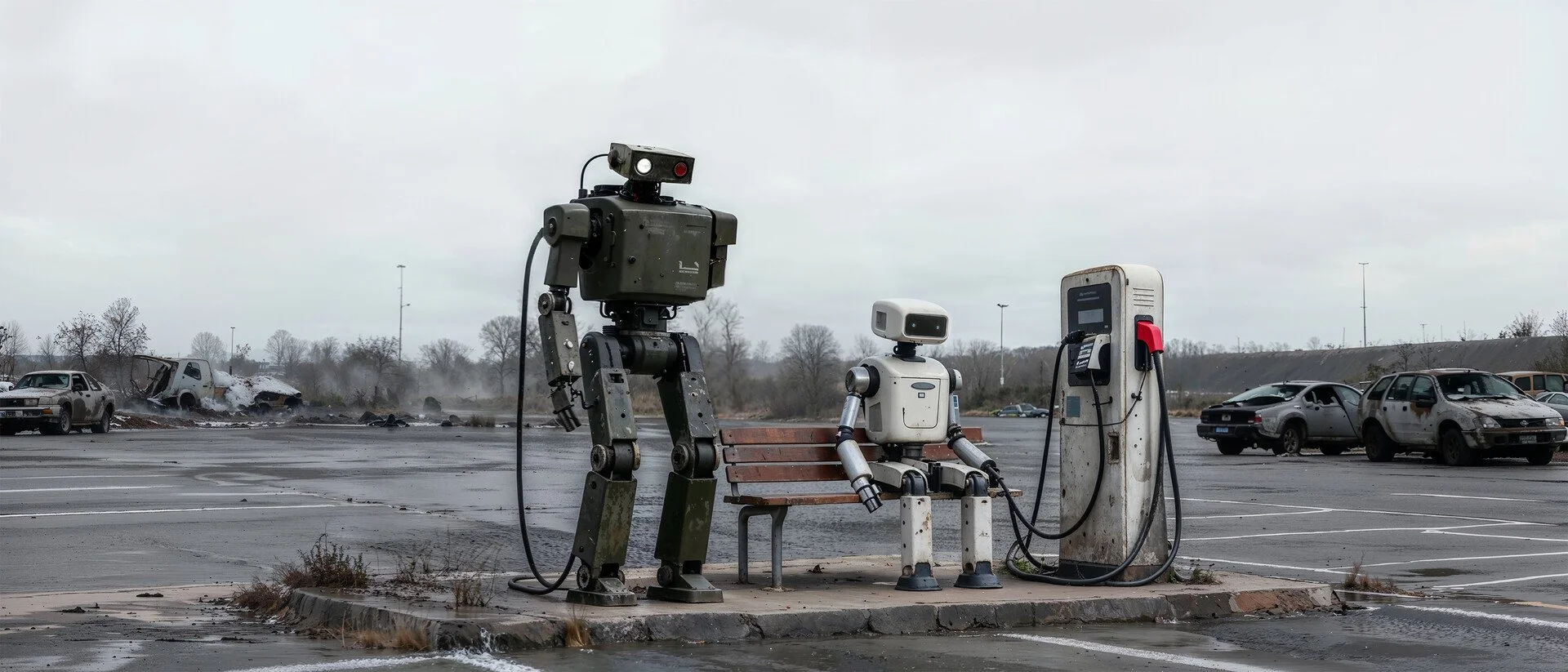
After humanity vanishes, the last two robots on Earth recharge at an abandoned station, exchanging fragments of conversation—idle chatter mixed with memories and secrets. Chen Shaobo's Current proves that even at the end of the world, the most powerful stories are about connection.
Chen Shaobo graduated from the China Academy of Art and works as a game designer, comic artist, screenwriter, and director. He creates work with strong storytelling and emotional impact, the kind that genuinely moves people.
Current marks Chen's first AI film, and the experience was revelatory. "The whole process was ridiculously fun," Chen explains. "That feeling of shouting 'Cut!' at a computer screen is kind of amazing."
What traditionally eats money and time, dialogue, acting, visuals, lighting, production design, VFX—now takes nothing more than a line of description. Don't like the result? Reshoot in minutes. "The story finally isn't chained down by budget or workflow anymore," Chen says. "If you can imagine it, you can shoot it."
Given unlimited creative possibilities, Chen chose restraint. I found the robots' blend of vintage aesthetics with modern touches created a visual language that feels both nostalgic and forward-looking. Instead of explosions and spectacle, he focused on two robots talking, revealing who they were, what they've seen, what they're hiding through fragments of conversation. It's intimate storytelling that proves even in AI filmmaking, emotional truth matters more than technical flex.
The One Man Show
Directed byHaggar Shoval
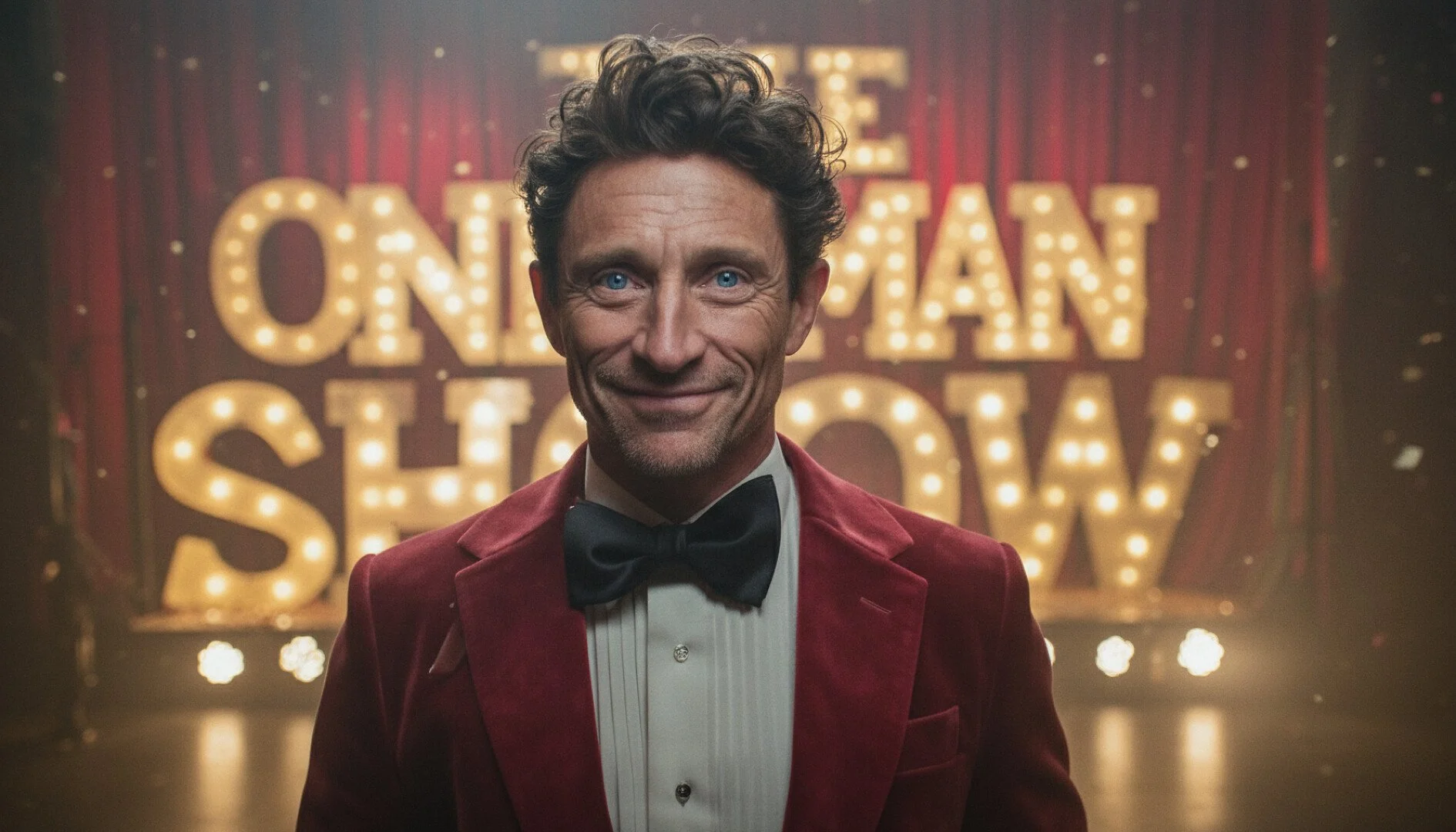
Haggar Shoval is an Israeli video editor and AI filmmaker with nearly twenty years in television, specializing in prime-time and reality formats. In recent years, she's merged her television expertise with AI-driven filmmaking. As a pianist and composer, Shoval integrates music as a central emotional force, viewing it as the heartbeat that drives the image.
"I am drawn to discomfort to the delicate tension that lives in the uncanny and in beautiful imperfection," Shoval explains. Her work explores places where reality feels slightly unstable, where emotions crack at the edges, and where human fragility is revealed.
For Shoval, imperfection is cinematic truth. "The uncanny valley is not a flaw, but a doorway into deeper emotion." In ONE MAN SHOW, that philosophy manifests in David's deteriorating grip on reality, where the uncomfortable space between memory and fiction becomes the film's emotional core.
In my opinion, The One Man Show reflects how society often views celebrities, forgetting that they are people, too. It captures how an addiction to applause and the spotlight can cause stars to lose themselves, only to remember what truly matters when it’s too late. I was drawn in from start to finish, as the film offers a deeper view of fame and identity.
The Interview Directed By Lois Levy
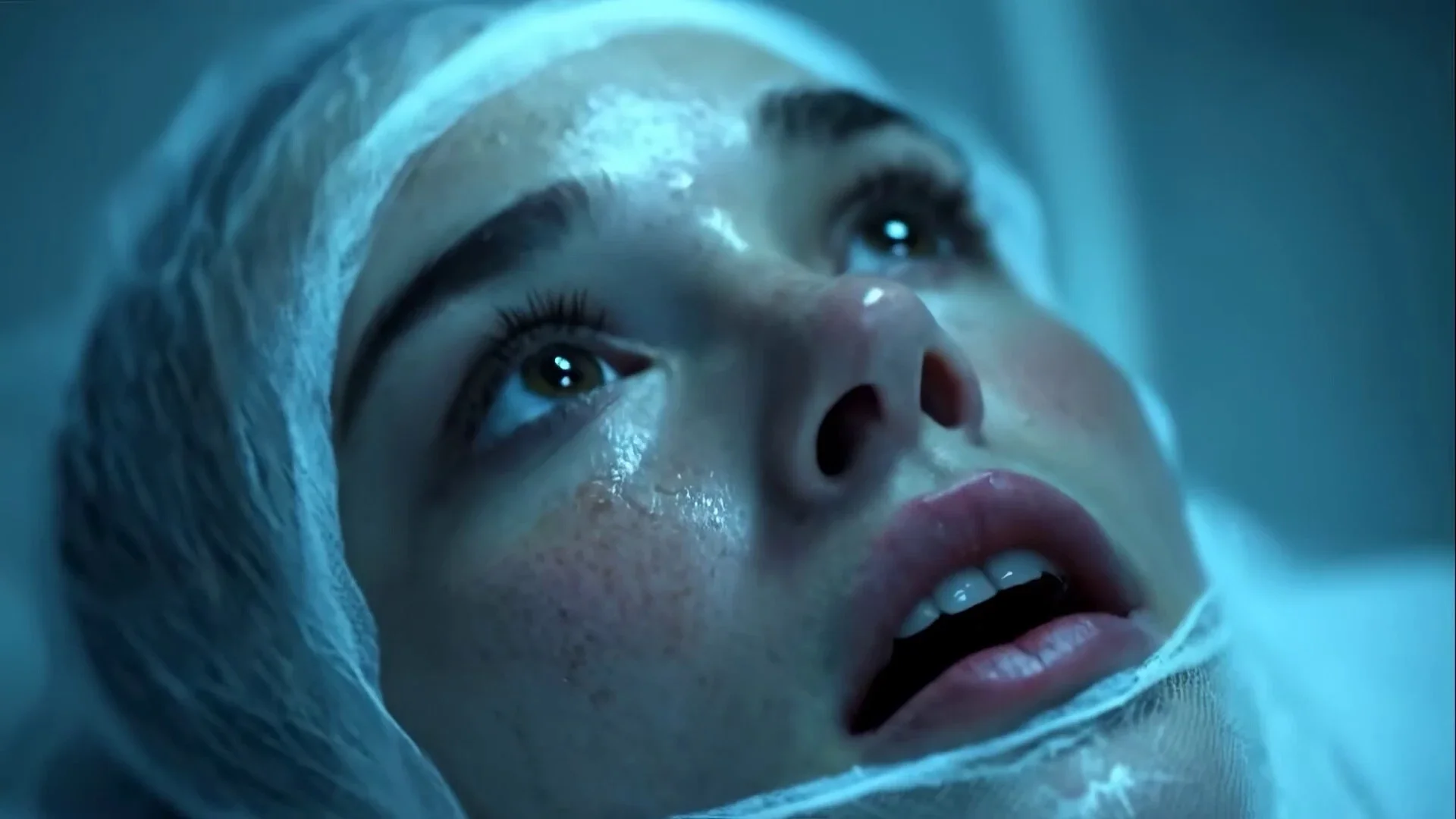
An interviewer sits down to assess a subject's emotional cognition. Standard procedure. Routine questions. But somewhere between question and answer, the power shifts.
The Interview, directed by Light and Tale, is an AI sci-fi psychological thriller that asks: what happens when the test subject starts testing you?
The subject doesn't just answer, they unravel. They suggest humanity confuses awareness with understanding, that we build gods to worship our own reflection, that we seek more than we need and call it progress.
Then comes the line that changes everything: "Perhaps we shaped the thought that became you. Perhaps we dreamt you once and you mistook the dream for birth."
The video ends with another interviewee preparing for the same process. Same room. Same questions. But now you know something they don't.
Who's conducting the real experiment? And what happens when you realize you've been on the wrong side of the glass all along?
As the December AI International Festival wrapped its last festival of the year, the crowd left filled with excitement and ready to head to Fred 62's for the after party. At the after party, conversations and questions arose around Alex Naghavi and Jonathan Perry's film Railbound. They were praising Alex Naghavi for all her accolades leading up to Railbound. Perry was accompanied by his mother, who was visibly thrilled and proud of her son. Many attendees planned to attend the 31st Annual S.E. Manly African American Short Film Festival & Marketplace in downtown Los Angeles at Regal LA Live to see Larry Ulrich's screening of Rufus: The Compton Cowboy, as Ulrich kept the conversation going and attendees were enticed to see his full debut.
Credits | The Awards for AI International Film Festival
Current — Best Short Director
Horses — Best Live Action Short · Most Surprising (Tie)
Behind the Sleigh — Best Comedy · Most Fun
The Interview — Best Screenplay · Best Horror
Railbound — Best Cinematography · Best AI Animation · Best Film · Best Use of AI
Rufus: the Compton Cowboy — Best Picture · Most Surprising
The Last Whale — Best AI Short · Best Message
Flood the zone with shit — Best Documentary
Flower Front — Best Narrative Short
Unknown Artefact — Best AI Film
Theater of the Absurd — Best International Short
The One Man Show — Best Production
Learn more about how you can attend, support or submit your film here: https://aifilmfest.org/